
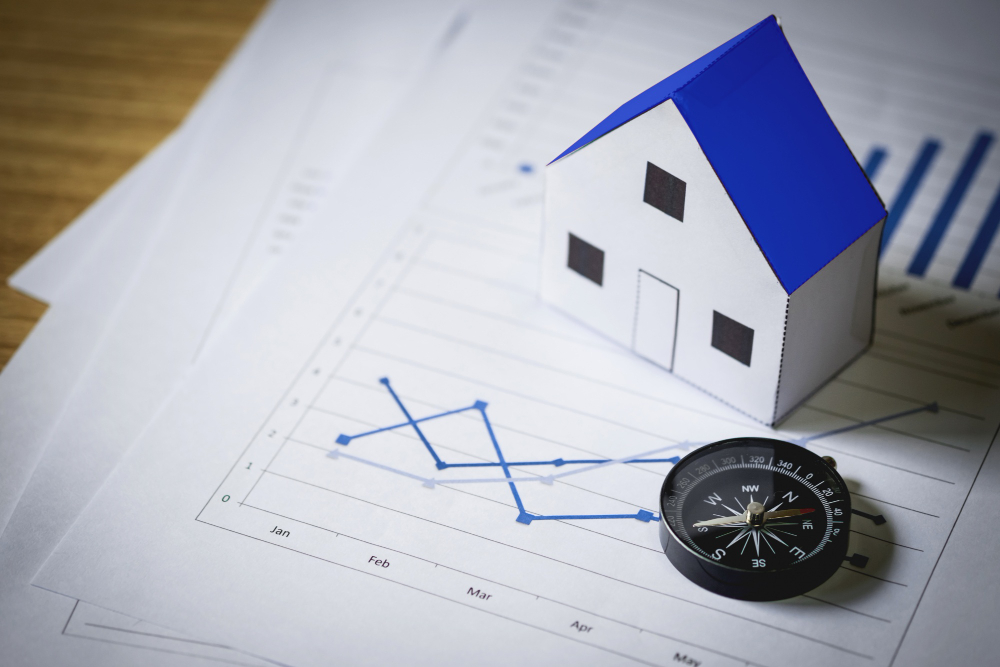
As we reach the midpoint of 2025, the real estate sector is once again proving to be a barometer for broader economic trends. From shifting interest rates and evolving work habits to growing sustainability concerns and regional market imbalances, the real estate economy today reflects both resilience and transformation.
In this article, we’ll explore the key forces shaping the global real estate landscape and what they mean for buyers, investors, and industry professionals alike.
The tightening of monetary policy in recent years had a cooling effect on housing markets around the world. But in early 2025, central banks — including the U.S. Federal Reserve, the European Central Bank, and others — began cautiously cutting interest rates as inflation came under control. This shift has sparked a renewed sense of optimism among buyers and sellers. Mortgage rates, though still elevated compared to pre-pandemic levels, have begun to edge lower, unlocking pent-up demand that was sidelined by affordability concerns. However, a lower rate environment doesn’t necessarily mean easier access to housing. In most urban centers, home prices remain high, and competition — particularly among first-time buyers — is fierce. This disconnect between falling borrowing costs and stubborn home prices is creating unique pressures on affordability. Despite renewed demand, housing supply remains a major bottleneck in many regions. A combination of factors continues to limit construction: High material and labor costs Lengthy zoning and permitting processes Resistance to densification in urban neighborhoods This persistent shortfall in housing inventory is preventing markets from achieving balance. In high-growth cities, limited supply is causing prices to stay elevated and making it difficult for middle-income households to enter the market. Policy responses have varied, with some governments rolling out incentives for new housing, while others are easing regulations around land use. But progress has been slow — and for many cities, the supply-demand gap is likely to persist into the near future. The commercial real estate (CRE) market has been navigating an uneven recovery since the pandemic. Different segments are experiencing very different outcomes: Office space is undergoing a structural transformation. Remote and hybrid work models have reduced demand for traditional office setups, especially in central business districts. Landlords are increasingly repurposing or upgrading spaces to cater to flexible layouts and shared workspaces. Industrial and logistics properties are thriving. The rise of e-commerce and on-demand delivery continues to drive demand for warehouses and distribution hubs, especially near major urban centers. Retail real estate is bouncing back, but with a twist. Experiential retail (think: gyms, cafes, entertainment venues) is outperforming traditional storefronts. Consumers want in-person experiences that can’t be replicated online. In the early 2020s, the “urban exodus” made headlines, as families sought more space in the suburbs and rural areas during COVID-19. But in 2025, we’re seeing signs of reurbanization — especially among younger homebuyers and renters. Cities are regaining their appeal as work-life patterns stabilize and downtowns evolve into mixed-use ecosystems. Urban infrastructure improvements, greater walkability, and lifestyle amenities are drawing people back — albeit in a changed environment. This shift is influencing development patterns. Builders and investors are targeting smaller, more efficient urban units, often bundled with smart tech and sustainability features. Green building is no longer optional. Sustainability is now at the core of both residential and commercial real estate strategies. From energy-efficient appliances and solar panels to net-zero commercial buildings, developers are embracing eco-conscious design. Buyers and tenants are also increasingly prioritizing properties that align with environmental goals. Governments in many countries are supporting this transition with: Tax credits for energy upgrades Incentives for green certifications (e.g., LEED, BREEAM) Carbon reduction mandates for large developments Sustainable properties tend to command higher resale values and lower operating costs — making them a win-win for both investors and occupants. The real estate market in 2025 is both dynamic and uncertain. While falling interest rates offer relief, structural issues like housing shortages and evolving work-life behaviors continue to reshape the sector. For investors, this is a time for strategic diversification — balancing residential, commercial, and green real estate assets. For homebuyers, patience and flexibility remain key. And for policymakers, bold action on zoning, sustainability, and affordability will be crucial to long-term market health. Interest Rates and Market Confidence
Supply Side Pressures: The Housing Shortage Persists
Commercial Real Estate: Realignment, Not Collapse
The Urban-Suburban Shift: Rebalancing
Sustainability and Smart Real Estate
Looking Ahead: Real Estate in a Changing Economy